
Seasonal Home Cooking centers on a single premise: meals become simpler, fresher, and more satisfying when they follow the cadence of the season. Rather than forcing the same dishes year-round, this guide highlights plates that feel right for the moment — lighter pairings when it’s warm, richer comforts when needed, and ingredients that naturally align with the season.
Why Seasonal Cooking Matters
Cooking by the season brings tangible benefits. Ingredients often taste more robust, planning becomes more intuitive, and recipes reflect what people actually crave at a given time. Crisp vegetables, herbs, citrus, grains, roasted roots, tender greens, baked fruit, soups, and oven-based meals each have their moment.
For home cooks in Italy, this approach also helps streamline decisions. Instead of endlessly chasing novelty, seasonal cooking provides a natural direction: use what feels timely, center around available ingredients, and let the recipe support the season rather than fight it.

What Makes Seasonal Cooking So Useful
One of the strongest benefits of seasonal recipes is adaptability. A dish built around the time of year can usually be adjusted more naturally than a fixed recipe. Vegetables can be swapped, garnishes can change, grains can be substituted, and the overall meal still feels complete.
That makes this style particularly valuable for real kitchens. It promotes confidence rather than rigidity. Once you grasp the character of the dish — fresh and bright, warm and roasted, light and balanced, or rich and comforting — the recipe becomes easier to tailor with what’s on hand.
"Seasonal cooking is not about making meals more complicated. It is about choosing ingredients and methods that already make sense for the moment, so the final dish feels natural from start to finish."
This approach also helps keep cooking engaging. Rather than repeating the exact same routine, the kitchen evolves with the seasons, keeping meal planning fresh without added pressure.
What Works Best in Seasonal Home Cooking
Ingredients with Natural Character
Recipes gain strength when the ingredients themselves bring a distinct quality to the plate. Seasonal vegetables, herbs, fruits, grains, yogurt-based elements, warm spices, and simple sauces help create dishes that feel complete without relying on unnecessary complexity.
For that reason, the recipes here typically start from the ingredient itself. The method supports flavor, texture, and ease of preparation, rather than overpowering them.
Balanced Cooking Methods
The season often signals the ideal technique. Some times call for quick stovetop dishes, fresh salads, and lighter grain bowls. Others naturally suit baked meals, soups, roasted trays, or warm desserts. The best seasonal recipes feel aligned with both appetite and routine.
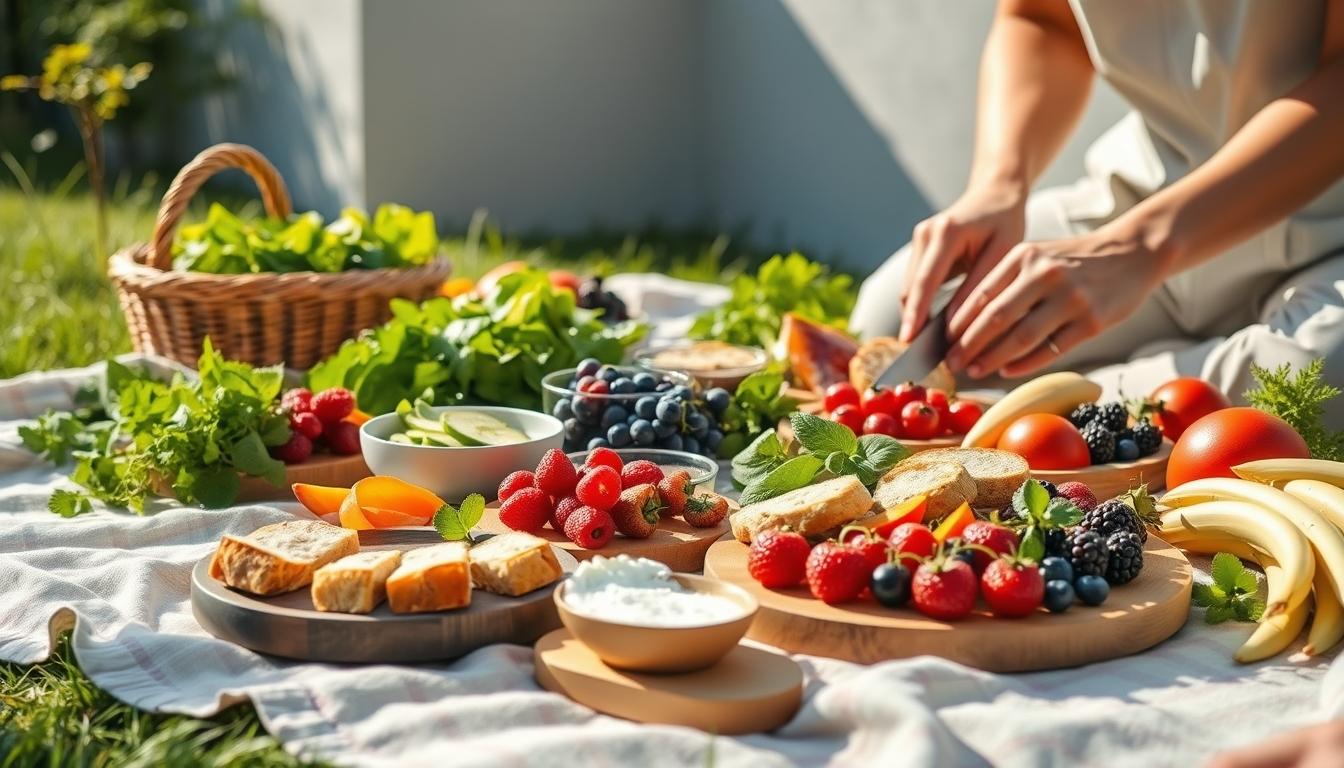
Simple Adaptation
A handy seasonal recipe should allow small substitutions without losing its identity. If one herb isn’t available, another should work. If a vegetable changes, the dish should still make sense. This adaptability is part of what makes seasonal cooking practical for everyday use.
The Honest Challenges
Trying Too Hard to Be Creative
One risk with seasonal cooking is assuming every dish must feel entirely new. In reality, the most successful seasonal meals are often familiar recipes tweaked gently through ingredients, sides, and flavor balance. Small changes usually outperform complete reinvention.
Buying Without a Plan
Seasonal ingredients can inspire, but they aren’t always useful without a rough meal plan. Purchasing fresh produce without knowing how it will be used often leads to waste. The best approach is simple: pick a few ingredients with intention and build two or three practical meals around them.
Losing Balance
Fresh ingredients still need structure. Acidity, seasoning, texture, warmth, and contrast matter as much in seasonal cooking as anywhere else. A light dish should feel complete, and a roasted meal should remain bright enough to stay appealing.
Practical Information
- Cooking Style: Seasonal recipes for real home kitchens
- Difficulty: Easy to moderate
- Best Timing: Weekday planning, market-inspired meals, and weekend cooking
- Typical Ingredients: Seasonal vegetables, grains, herbs, fruit, fresh sauces, roasted components, and flexible sides
- Kitchen Goal: Meals that feel timely, flavorful, and easy to adapt
Would We Recommend This Cooking Style?
Yes. Seasonal cooking stands as one of the most practical ways to keep meals engaging without making home cooking harder. It fosters better planning, supports ingredient flexibility, and helps recipes feel naturally connected to the moment.
If you’re after a kitchen routine that feels fresher and more intuitive, this approach is an excellent direction. Seasonal Home Cooking offers a pathway to build meals with more confidence, more variety, and a stronger sense of flavor throughout the year.
For more recipe inspiration, continue with Weeknight Baking Delights and Homestyle Sauce Creations. You can also explore extra ideas through Italia.it – Italian Food & Wine and GialloZafferano Recipes.